A faint scratching behind a bedroom wall, a clatter in the attic just after dark, insulation scattered like confetti near a gable vent. These are not minor quirks of an old house, they are the early chapters of a story that can end with chewed wiring, contaminated insulation, or a family of animals claiming your home as theirs. Over decades in wildlife control, I have learned that these problems reward calm observation and disciplined steps more than panic. The difference between a quick resolution and weeks of frustration often comes down to accurate diagnosis, careful timing, and a realistic understanding of animal behavior.
This is a field where biology meets building science. A house is not a fortress, it is a porous shell with vulnerabilities at every intersection of materials. Animals do not invade out of malice. They follow scent trails, thermal cues, and seasonal rhythms. Your job is to decode those cues and reshape the environment so it no longer invites them. That is the heart of nuisance wildlife management, and it starts with listening.
Reading the House Like a Map
Houses speak through drafts, stains, and sound paths. When a homeowner says they hear movement in the attic from 8 to 10 p.m., I note the timing. Nocturnal activity often points to raccoons, flying squirrels, or rats. Diurnal scratching with nut shells near the soffit narrows toward squirrels. A chirpy, papery flutter near dawn might mean a small bat colony. The building itself gives hints through its architecture. Dormers, intersecting rooflines, soffit returns, and additions create perfect access points. Vinyl wraps hide damaged fascia. Gable vents bow under snow load and leave gaps at the edges. A masonry chimney with a failing crown invites raccoons and chimney swifts, while a ridge vent with rotted sheathing beneath becomes a bat highway.
Good diagnosis starts outside. Walk the perimeter slowly. Look for grease marks at frequent entry points. Shingles lifted like tiny lids at roof edges. Rubbed dirt on a downspout where claws have polished the metal. https://rentry.co/ym3uara4 Seeds, acorn caps, or droppings on the roof can be the breadcrumb trail you need. Check the grade line for burrow openings. Inspect under decks and porch stoops, then trace utility penetrations to see if they were sealed with foam alone. Many animals treat expanding foam as a snack.
Indoors, the nose matters as much as the eyes. Skunk odor can travel through ductwork and linger in fiberglass, but you can usually triangulate the source to a crawlspace vent or a gap around a gas line. Mice have a musky, slightly sweet smell that concentrates along baseboards and behind appliances. Raccoon latrines stand out for their size, more than two inches per dropping, often clustered near chimneys or roof valleys. Guano from bats forms crumbly, shiny piles beneath roost seams and smears in narrow wedges, never uniform like rodent pellets. Do not vacuum unknown droppings without precautions, and do not disturb bat guano without understanding the health risks.
The Noise Clock: What Timing Reveals
Most wildlife runs on a schedule. If you map noise to the clock and the season, patterns emerge. Raccoons peak after sunset and again before dawn. Females with kits in spring leave for shorter intervals, sometimes every two to three hours. Gray squirrels run an early morning and mid-afternoon circuit, with a midday lull. Flying squirrels spark up right after dark and chatter softly, a sound closer to birds than rodents. Bats exit in waves in warm months, about 20 to 40 minutes after sunset, then return close to dawn. Rats and mice can be all over the dial, but roof rats love the 10 p.m. to 2 a.m. window.
Sound also travels oddly through framing. A mouse in a joist bay above the kitchen can sound like a raccoon thunderstorm. Raccoons, however, have heft and purpose. They thump, drag, and sometimes vocalize in trills and growls. Squirrels are light, quick, with distinctive gnawing bursts. Bats do not stomp, they tick and chitter. One of the simplest tools is a notepad and two weeks of notes about time, location, and character of noise. When you layer that over weather data, you’ll see, for instance, a surge on cold nights as animals press deeper into the structure for warmth.
Health, Safety, and When to Slow Down
A panicked homeowner might ask for immediate trapping. Sometimes that is appropriate, sometimes it backfires. When kits or pups are present, trapping the mother without locating the young turns a noisy attic into a hazardous one. Newborn raccoons barely whisper, almost impossible to hear through insulation. Squirrels make nests of leaves and shredded paper that can hide pinkies the size of a finger joint. Bats form maternity colonies from late spring to mid-summer, and many states prohibit bat removal while non-volant pups are present. If you are not sure, hold off on exclusion and do a thermal check at dawn or dusk to watch for adult flights. Wildlife pest control done right respects animal life cycles and local regulations.
Safety starts with personal protection. If you enter an attic with raccoon latrines, wear a proper respirator, not a dust mask, and avoid dry sweeping. Negative air machines help during remediation, but simple containment with plastic sheeting and controlled bagging is often enough for smaller jobs. Headlamps are better than flashlights because your hands remain free. Crawl on the joists, never the insulation, and bring a solid kneeling board if you expect extended work. I have seen trappers fall through ceilings when they get tunnel vision chasing a sound.
Electric hazards sit everywhere. Rodents chew wire jackets and leave bare copper inside a dark insulation blanket. Before crawling, trace visible wiring, kill power to suspect circuits when practical, and keep tools grounded. If you suspect a carbon monoxide source, such as a blocked flue or dead animal in a vented appliance pipe, ventilate first and bring a CO monitor.
The Diagnostic Workflow
There is no one perfect sequence, but a disciplined approach prevents the classic mistake of sealing a building with animals inside. Start with exterior reconnaissance in daylight, then interior inspection after dusk for live activity clues. Photograph every candidate gap with a reference measurement. Even a gap the size of your thumb can admit bats, while a child’s fist can admit squirrels. Raccoons need larger breaks but can rip open soft areas to make their own.
I keep a simple mantra: identify, confirm, plan, act, verify. Identify the species by sign and timing. Confirm with visuals or cameras rather than guesswork. Plan a strategy that accounts for breeding seasons and building constraints. Act with a combination of wildlife exclusion and, if necessary, wildlife trapping. Verify with monitoring before you declare victory.
Motion cameras with infrared help more than most gadgets. Place them at suspected entry points and inside attics pointed at the ridge or gable ends. A two-night recording often reveals more than a week of guessing. Trail cameras are inexpensive now and pay for themselves the first time you catch a raccoon using a section of torn ridge vent instead of the obvious gable vent everyone blamed.
Raccoons: Strong, Curious, and Bold
Raccoon removal is as much about preventing reentry as it is about catching the individual. They favor attics, chimneys with damaged caps, and crawlspaces with flimsy vents. A female with kits may choose a spot that feels safe and warm, sometimes directly over a quiet bedroom. Look for muddy paw prints on downspouts, displaced soffit panels, and flattened roof insulation where they trail back and forth.
If you confirm kits, aim for a reunion-based removal. I will often install a sturdy one-way door at the primary entry, then locate the nest. Using thick gloves, gently transfer kits to a warmed reunion box outside near the entry path. The mother usually comes back within hours and relocates them to an alternate den. This approach avoids orphaning. If the mother proves aggressive or uninterested, then targeted trapping is appropriate, but that is rare when handled carefully.
The exclusion hardware matters. Lightweight screen belongs on vents, not over active raccoon holes. Use 16 gauge 1 by 1 galvanized mesh, secured with gasketed screws and washers so the mesh cannot be peeled back. Reinforce the perimeter of ridge vents with continuous metal ridge guards, not spot patches. A raccoon can pry a finger-sized opening into something they can enter in minutes.
Squirrels: Speed, Persistence, and Chewing
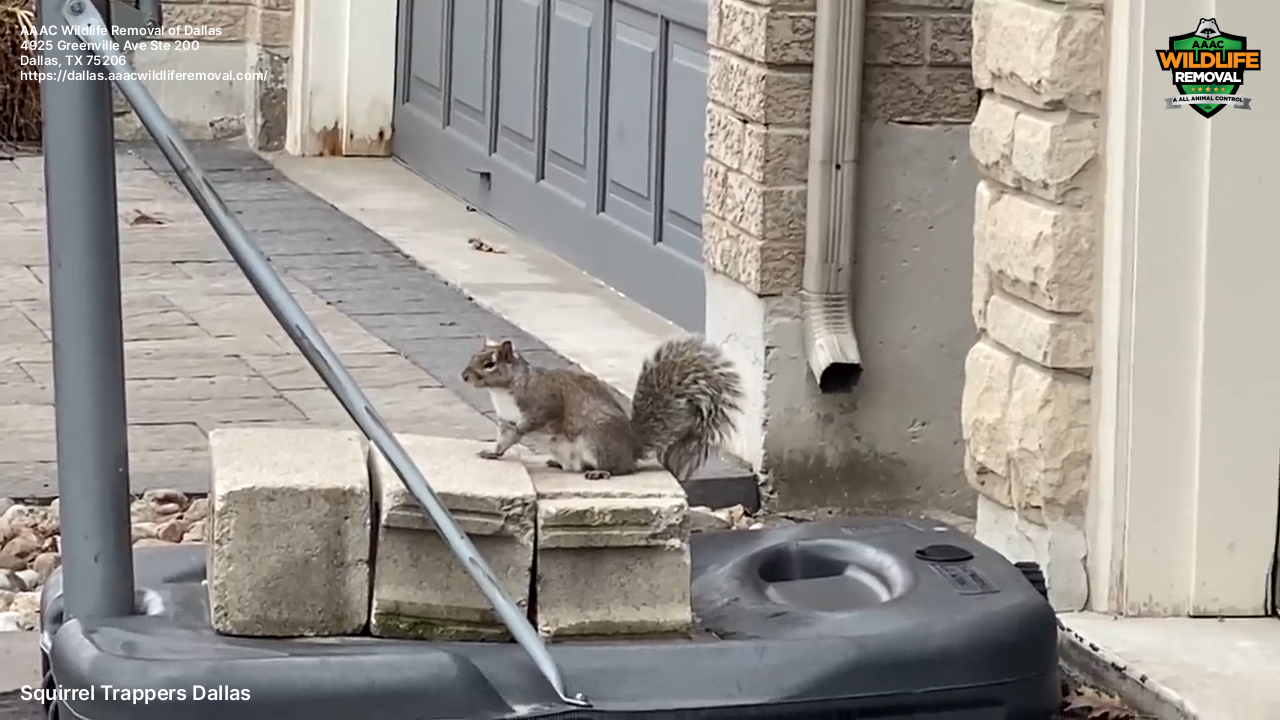
Squirrel removal often starts with the sound of rolling nuts and ends with a chewed wiring repair. Gray squirrels chew to dull their ever-growing incisors. They like fascia ends, dormer corners, and rotten rake boards. A single female can make and hold a nest, then block a one-way door with debris if you do not evacuate properly. Flying squirrels behave differently. They slip through cracks as thin as a finger and prefer high, quiet attics, leaving tiny droppings and faint urine stains on vapor barriers.
For gray squirrels, I map every hole, even the ones that look too small, and prime the house with full sealing except for a primary exit. A spring-loaded repeater trap can sit over the main hole, or you can use a wide-mouthed one-way excluder tube. Timing matters. In late winter and late summer, young squirrels cannot negotiate one-way devices. If you hear the rapid, soft squeaks that accompany pups, wait or inspect for a nest before proceeding.
Once they are out, upgrade vulnerable areas with trim coil metal on fascia, reinforce soffit returns with fitted plywood under the vented panels, and cap gable vents with rigid wire cloth under the decorative louvers. Avoid leaving any soft wood exposed along the roof edge. Squirrels memorize routes. If they used the left elm tree to jump to the lower roof, consider pruning the branch to break that habit. A gap of 8 to 10 feet between branch tips and the roofline helps.
Bats: Seam Seekers and Seasonal Rules
Bat removal is highly regulated, and for good reason. Bats consume staggering numbers of insects and are protected in many regions. A good bat job is patience and craftsmanship. You are not sealing holes the size of a fist. You are sealing a building envelope down to seams. Think of the top two feet of the structure as a lattice of potential entries: ridge caps, step flashing, rake and fascia joints, dormer sidewall breaks, gable apexes, and chimney flashings. Bats love warm, still air pockets where the roof meets the wall.
First, confirm species and season. If it is maternity season, you cannot proceed with full exclusion. Install one-way valves only when young can fly, usually mid to late summer, and complete sealing in a tight window before fall migration. A proper valve is a soft, collapsible sleeve or cone that allows exit and prevents reentry without snagging wings. Place valves at the most active gaps and hard-seal everything else. After seven to ten nights of no reentry and clean camera footage, remove the valves and cap those points with the same sealant and mesh technique.
Guano remediation is a separate task. Light accumulations can be HEPA-vacuumed under containment. Heavy deposits require removal, odor treatment, and sometimes insulation replacement. I have replaced 800 to 1,200 square feet of attic insulation after long-term bat occupation. Homeowners often ask about ultrasonic devices. They do little. Air sealing and structural exclusion, plus patient monitoring, solve bat issues. Bat removal done right leaves a tighter, more efficient building shell that prevents future wildlife control headaches.
Rats, Mice, and the Hidden Plumbing of a House
Rodents exploit the small oversights of construction. An unsealed sill plate, a weep hole without a barrier, a garage door with a daylight gap along the corner, or a foam-only penetration at the AC lineset. Roof rats move like squirrels, but slinkier and quieter. Norway rats come from the ground, often chasing warmth through slab cracks and utility chases. You cannot trap your way out of an unsealed house. Even heavy trapping is only useful when paired with real exclusion.
I pay special attention to drainage lines, air gaps around hose bibs, and the gas meter penetration. Caulk alone is not enough. Use backer rod with sealant for compressible seams, then cap with galvanized mesh or rigid escutcheons anchored to the wall. For garage doors, install brush seals along sides and top, and check the door corners where rubber seals fold back. A quarter inch gap is an invitation.
Food odor discipline matters. Pet food bins, bird seed in the garage, and uncovered compost tell rodents to persist. That said, homeowners often cannot or will not change every habit. Do not moralize. Build the system to be resilient. That means layered defense: mechanical seals, traps deployed at pressure points, and better sanitation where practical.
When Trapping Makes Sense
Wildlife trapping is a surgical tool, not a blunt instrument. For raccoons that have imprinted on a house and return even after exclusion, a targeted set can solve the last mile. For squirrels that block doors repeatedly or chew new holes during sealing, a repeater device clears remaining individuals efficiently. For rats, traps remain the safest interior method around children and pets, especially when placed in lockable stations.
Bait choice is overrated compared to placement. Put traps along travel lines where rub marks or droppings tell a story. For roof rats, set on beams leading to the entry point. For raccoons, cage traps work well on flat roofs near the entry or along the fence line they use as a highway. Avoid fish baits near cats. Marshmallows and sweet pastes often outperform meat in urban settings. For squirrels, no bait works as reliably as a positive set over a known hole, forcing the animal into the device as it exits or returns.
Know your legal framework. Some states require daily trap checks, others specify release distances or prohibit relocation. Relocating animals far from their home range can be a death sentence, and in many jurisdictions it is illegal. Euthanasia, where required, should be humane and discreet, and discussed with the homeowner upfront. Realistic, law-abiding guidance builds trust.
Exclusion: The Craft That Prevents Callbacks
Wildlife exclusion is equal parts material choice and attention to detail. Foam is a gasket, not a barrier. Caulk is a finish, not a structure. Steel, copper mesh, and properly fastened wood are your friends. On brick, tuck 1 by 1 wire cloth behind the trim and anchor with Tapcons. On vinyl soffit, add a plywood backer and sandwich the panel with mesh so it cannot flex open. For attic vents, choose louver guards that cover the entire frame, not just the louver field, because animals work at the edges.
Sealing a house is more than patching holes. It is anticipating how an animal will test your work. Raccoons look for leverage points. Squirrels look for flex. Bats look for laminar seams too small to see from the ground. I run a gloved hand along the trim and feel for give. If it flexes, add fasteners. If a nail held the original fascia, move to screws with washers. Cut mesh with clean edges and bend a hem so there are no sharp points to snag wildlife or a technician’s hand later.
Proper ridge vent systems are a frequent blind spot. Many contractors add staples and call it done. If the sheathing under the ridge is compromised, a ridge guard tied into solid wood is the only lasting fix. Spotlight ventilation with proper baffles when replacing insulation. A well-vented roof stays cooler, which can be less attractive to animals seeking warmth pockets in summer.
Seasonal Strategy and Patience
Every species follows weather. After the first hard frost, mice jab into structures en masse. The first warm spell in late winter wakes raccoons and begins den-seeking. Spring kicks off bird nesting in vents, and those nests become kindling for dryer fires. Summer brings bat maternity and flying squirrel dispersal. Fall stacks acorns and with them, squirrel energy for chewing and stockpiling.
I schedule sealing work to ride these waves. Heavy bat sealing after pups fly. Full squirrel exclusion between litters rather than right on top of them. Crawlspace work after the ground dries enough to avoid soil smearing into seals. In wet regions, plan rodent exclusion once landscape crews stop irrigating daily, because standing water near foundations drives burrowing.
What Homeowners Can Do Before Calling
A few actions taken early shorten resolution time and reduce cost.
- Keep a simple log of noises with time, location, and weather. Two weeks of notes guide diagnosis better than most assumptions. Photograph any visible droppings and entry points from a safe distance. Scale with a coin in the frame. Avoid cleaning until identified. Trim back branches that overhang within 8 to 10 feet of the roof. This single change breaks many squirrel and roof rat routes. Seal pet food and bird seed in metal bins with tight lids. Move grills and garbage away from foundation walls. Replace or repair damaged dryer and bathroom vent covers with rigid louvered models and wire cloth behind them.
Costs, Expectations, and the Value of Doing It Right
Homeowners often ask what a proper job should cost. Prices vary with region and building complexity. As a ballpark, a single-entry raccoon removal with one-way door, monitoring, and hard exclusion might run from the high hundreds to low thousands, especially if fascia repair is required. Squirrel exclusion on a complex two-story with multiple dormers can climb higher because labor hours follow the roof geometry. Bat removal and full sealing of a large house with remediation often falls between several thousand and five figures, mainly due to detailed sealing and cleanup. Cheaper work tends to rely on foam and wishful thinking. It looks finished for a week, then you get a 2 a.m. reminder that animals test your work every night.
I tell clients to measure value by callbacks avoided and the condition of the building envelope after the job. A sealed house is quieter, more energy efficient, and less prone to insect intrusion. Good wildlife control overlaps with weatherization. you are paying for durable materials and a methodical mind, not just the minutes a ladder sits against your gutter.
Case Notes: What Experience Teaches
In one brick Tudor with repeated bat entries, three contractors had sealed the obvious gable vents. The colony persisted. Infrared footage finally revealed a thin seam where a copper dormer met old stucco. The gap looked cosmetic, but warmed rapidly at dusk. A soft valve there and thorough sealing of ridge cap seams solved it in a week. The homeowner swore the bats were using the big louver. Most of the time, the biggest hole is not the real hole.
Another home had relentless squirrel chewing on the northeast fascia. We patched and patched. The breakthrough came when we mapped morning wind patterns. That corner caught first light and a thermal updraft that kept it slightly warmer. Once we wrapped the fascia in trim coil and added a continuous vent baffle to rid the attic of the hot spot, chewing stopped. Not every solution is a trap or a patch. Sometimes it is changing the microclimate.
In a downtown rowhouse with raccoon issues, a flimsy parapet cap hid a rot pocket. The raccoon was using a downspout as a ladder, then slipping under the cap into the shared wall cavity. The fix was carpentry: replace the cap, add counterflashing, and mount a smooth barrier on the downspout to interrupt the climb. The raccoon tested twice more, then moved on.
Working With Professionals
When you hire a wildlife control operator, ask about their approach to wildlife exclusion, not just wildlife removal. Listen for the words camera verification, maternity season, and sealing strategy. Ask what materials they use and where. If the plan depends on repellents or foam, you are buying temporary calm. If they cannot describe likely alternate entries, they have not looked hard enough. A good operator also sets expectations for noise during removal, time frames, and the possibility of discovering unrelated issues like roof leaks or inadequate ventilation.
Paperwork matters. Many states require specific licensing for nuisance wildlife management. Insurance, including liability for roof work, is non-negotiable. Detailed proposals prevent surprises. I list every planned seal point category, from gable vents and ridge seams to utility penetrations, plus any optional repairs recommended. It is more work upfront, but it prevents the awkward call where a client asks why bats are leaving a gap we never discussed.
What Success Looks and Sounds Like
A successful job ends with silence at the right times and the right kind of activity outdoors. Cameras show outflow tapering to zero. Attic temperatures normalize without hot or cold pockets near prior entries. No fresh droppings appear. On a windy night, nothing rattles or flexes. In a month, the homeowner stops noticing the roofline because it no longer demands attention. Good wildlife control leaves nothing dramatic to talk about.
Hidden wildlife problems begin as noise and end as nests only when we wait too long or misread the signs. The fix is not bravado or gadgets. It is quiet, deliberate inspection, followed by targeted action and careful closure. Whether the task is raccoon removal, squirrel removal, or bat removal, the same principles hold. Identify truly, respect life cycles, build exclusions that endure, and verify until you are certain. When the house falls back into its own natural hush, you will know the work was done right.